The Best Incentive Compensation Management Software
.webp)
A buyer's guide to choosing an incentive compensation management (ICM) platform that your finance, RevOps, and sales teams can actually trust. We cover the top six tools, how we scored them, and which team each one fits.
Key takeaways
- Top 6 incentive compensation management software in 2026: 1. Visdum, 2. Qobra, 3. CaptivateIQ, 4. Xactly Incent, 5. Everstage, 6. QuotaPath.
- The real buying decision is not "which tool calculates commissions." Most do. It is which tool lets your team change plans, prove every payout, and keep reps trusting their numbers as you scale.
- Pick by fit, not by feature count. Enterprise governance needs (Xactly, CaptivateIQ) and CRM-connected mid-market speed (Visdum, Qobra) solve different problems.
- Two things changed in 2026: every serious platform now ships an AI layer, and pay-transparency expectations turned a clean audit trail from a nice-to-have into a baseline requirement.
Sales incentives fuel performance and revenue growth, but manual commission management usually turns into spreadsheets, fragile formulas, and payout disputes.
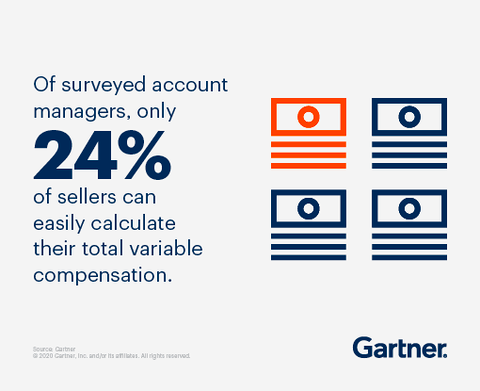
In fact, Gartner reports that only 24% of sellers truly understand how their incentives are calculated when spreadsheets are involved. If reps cannot see how they are paid, they cannot trust the number, and trust is the whole point of an incentive.
McKinsey adds that smart revisions to compensation models can have a 50% higher impact on sales than equivalent changes in advertising spend. The system behind your incentives is worth getting right.
Two shifts make 2026 different. First, every serious platform now ships an AI layer for comp: Visdum's AI Copilot, CaptivateIQ's Assist, Xactly's AI assistant. That moves the buying question from whether a tool can calculate to whether your team can change plans without engineering. Second, pay-transparency expectations keep rising across US states and the EU, which turns a clean audit trail from a nice-to-have into a baseline requirement.
How we evaluated these tools
This guide is maintained by Visdum, and we include our own platform in it. To keep that honest, we scored every tool, ours included, against the same criteria, and we name where competitors are the stronger pick.
We weighted seven things, drawn from how Gartner defines the ICM category and from what actually breaks for finance and RevOps teams at scale:
- Rule engine: low-code or no-code plan logic, so comp admins can build and edit plans without engineering.
- Crediting flexibility: splits, overlays, accelerators, clawbacks, and the ability to recompute or roll back.
- Scalability: more reps, more transactions, and more plan complexity without slowing down.
- Integrations: reliable, two-way sync with CRM, ERP, billing, and HRIS.
- Transparency and reporting: dashboards, drill-down, and rep self-serve visibility.
- Compliance and audit: change logs, approvals, controls, and an exportable audit trail.
- Admin and implementation effort: time to go live and the ongoing operational load.
G2 ratings cited below were checked in June 2026. They move over time, so treat them as a signal of customer satisfaction at scale, not a leaderboard.
Top 6 Incentive Compensation Software in 2026
After reviewing market options and common buyer requirements, here are six ICM tools to evaluate in 2026.
| Software | Best for | G2 rating | Standout strength | Watch-out | Ideal team size |
|---|---|---|---|---|---|
| Visdum | CRM-connected, transparent commissions with a strong rep experience | 4.8/5 | Deep, fast CRM/ERP/billing/HRIS connectors plus a visual rule builder and AI Copilot | Complex plans take setup time, though onboarding is guided | Mid-market to enterprise |
| Qobra | Revenue teams wanting a no-code engine and fast time-to-value | 4.8/5 (1,000+ reviews) | 100% no-code plan editor and real-time deal-level visibility | Very complex global structures still need careful design | Mid-market to enterprise |
| CaptivateIQ | Flexible plan modeling and automation at scale | 4.7/5 (3,400+ reviews) | SmartGrid no-code calculation engine and broad analytics | Reporting and load times draw the most user friction | Mid-market to enterprise |
| Xactly Incent | Enterprise modeling, controls, and governance depth | 4.3/5 (870+ reviews) | Mature enterprise governance, modeling, and 20+ years of pay data | Longer implementation and higher admin overhead | Enterprise |
| Everstage | Rep self-serve visibility plus approvals and splits | 4.8/5 (2,000+ reviews) | Rep transparency, dispute handling, and a no-code plan builder | Broad module set makes rollout heavier than SMB tools | Mid-market to enterprise |
| QuotaPath | A clean commissions and quota workflow with public pricing | 4.7/5 (250+ reviews) | Easy setup, fast time-to-value, transparent pricing | Heavy enterprise governance needs validation in a POC | SMB to mid-market |
1) Visdum

Visdum is built around deep, fast CRM integration, accurate commission calculations, and rep-facing visibility into achievements and earnings. Pair that with a visual rule builder, quick implementation, and dedicated support, and finance teams stop maintaining spreadsheets and start owning a system.
Best for: Scaling teams that want deep CRM-connected, transparent commissions with a strong rep experience. Mid-market to enterprise SaaS companies tend to get the most value.
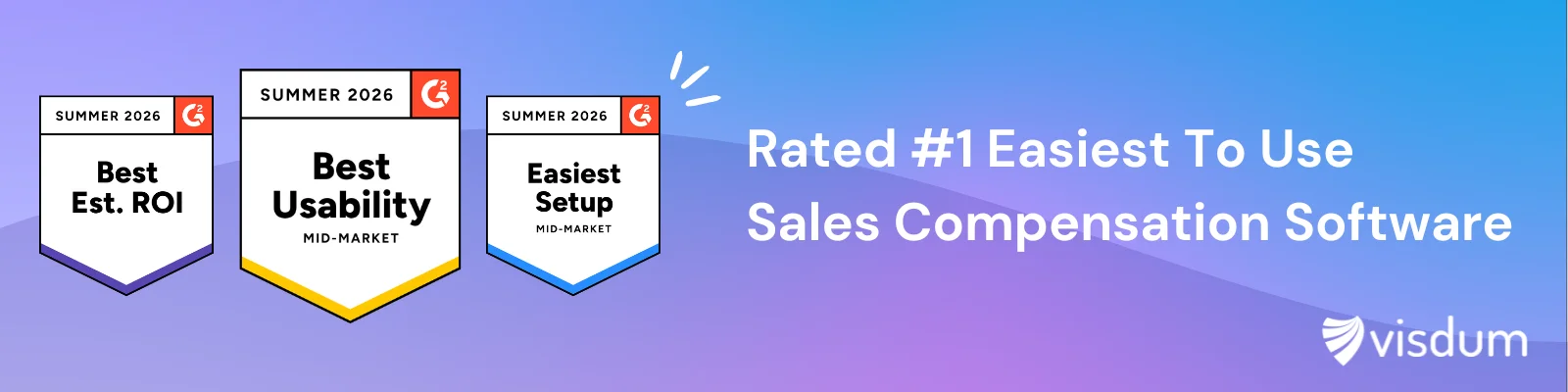
G2 rating: 4.8/5. Visdum ranks #1 for Customer Relationship on G2's Summer 2026 Mid-Market index, and reports a go-live time well under the category average.
That relationship ranking is not just a score. Here's how a Visdum customer in cybersecurity describes the support after switching:
"I've worked with many different peripheral softwares, and the support of the onboarding and the ongoing support is unmatched. I've never seen anything like it." — Helena Nguyendon, Financial Controller, Austin-based cybersecurity company
Standout features
- CRM-connected commission calculations and dashboards, so earnings visibility is real-time instead of month-end.
- Deep, quick connectors to most major CRMs, billing, accounting, ERP, and HRIS platforms, which keeps data clean in one place.
- Transparent commission statements and rep-facing insights, which is what actually drives adoption.
- An AI Copilot that answers comp questions in natural language, reducing the back-and-forth that lands on RevOps every month.
- SOC 2 certified security, approval controls, and a comprehensive audit trail.
- Customizable enterprise dashboards with access controls and analytics for data-backed decisions.
Pros
- Native integrations streamline the whole compensation workflow.
- Intuitive navigation lowers day-to-day admin effort.
- Much easier to use than competing alternatives (as per customer reviews)
- Handles diverse and complex plan structures.
Cons
- Initial plan setup can take time for highly complex plans. Onboarding and implementation support are included to offset this.
See how Visdum compares head-to-head on the CaptivateIQ vs Visdum and Xactly vs Visdum pages.
.webp)
2) Qobra
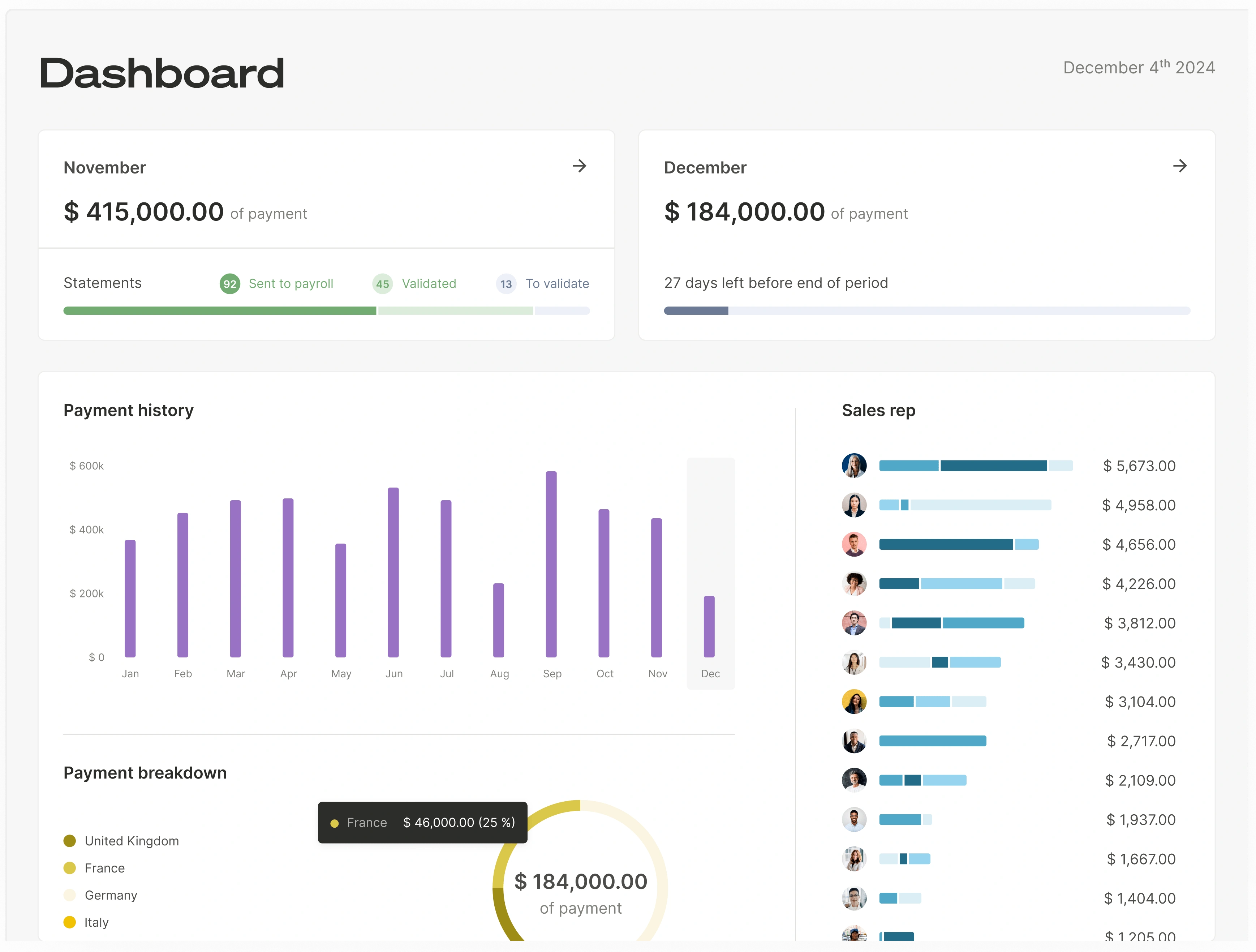
Qobra is a modern sales compensation platform recognized for its no-code plan editor, real-time deal-level visibility, and native CRM integrations. With a 4.8/5 rating on G2 across 1,070+ reviews and badges as a High Performer and Easiest to Use, Qobra is built for revenue teams that want to ship complex incentive plans without spreadsheet workarounds.
Best for:
Mid-market and enterprise revenue teams that want a transparent, no-code commission engine and rapid time-to-value (typical implementation in around one month). Trusted by 300+ companies including ElevenLabs, Contentsquare, Go1, GoCardless, Emarsys SAP and many more! The Qobra vs Visdum page covers the two differences a finance-led team tends to feel.
Pros
- 100% no-code plan editor - finance and RevOps own plan modeling and iteration without engineering or external consultants.
- Real-time deal-level dashboards for reps, managers, and leadership; built-in commission simulator that lets reps forecast earnings on pipeline deals.
- Deep, bi-directional native integrations with Salesforce, HubSpot, Pipedrive, NetSuite, Snowflake, Power BI, Slack, Docusign, and 100+ more.
Cons
- Initial plan setup for highly complex structures still requires careful design (typical for the category).
- Some peripheral systems may not yet have a native connector, though APIs and exports cover the gaps.
3) CaptivateIQ

CaptivateIQ is often highlighted for usability, automated calculations, and handling complex commission structures with clearer visibility into calculations.
Best for: Teams that want flexible plan modeling, automation, and strong support.
Pros
- Strong analytics for performance insights.
- Solid integrations with systems like CRM/accounting (as described in your draft).
- User-friendly experience.
Cons
- Learning curve for full utilization.
- Heavy customization can feel complex for non-technical users.
4) Xactly Incent
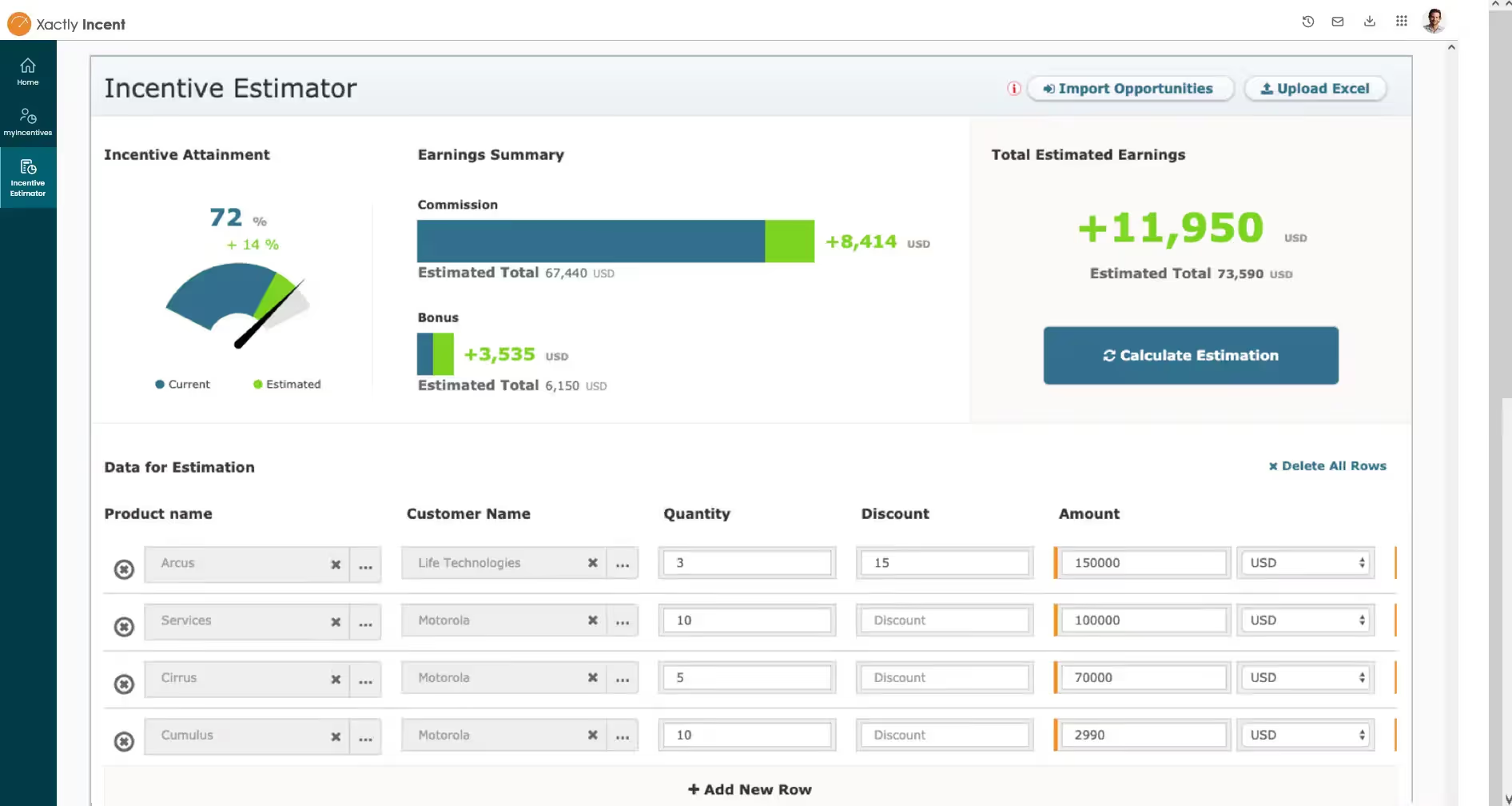
Best for: Enterprise teams needing advanced modeling, controls, and administration. Xactly Incent is positioned as enterprise-grade with advanced analytics, modeling tools, and an integration ecosystem, but may require dedicated admin resources.
Pros
- Supports plan design with benchmarking/best-practice style capabilities (as stated in your draft).
- Stronger audit/compliance workflows (as stated in your draft).
Cons
- Longer implementation and higher resource requirements.
- UI complexity and reporting constraints for some users.
Want more options? Head over to our Sales Compensation Software list to look at more options in the ICM space.
5) Everstage
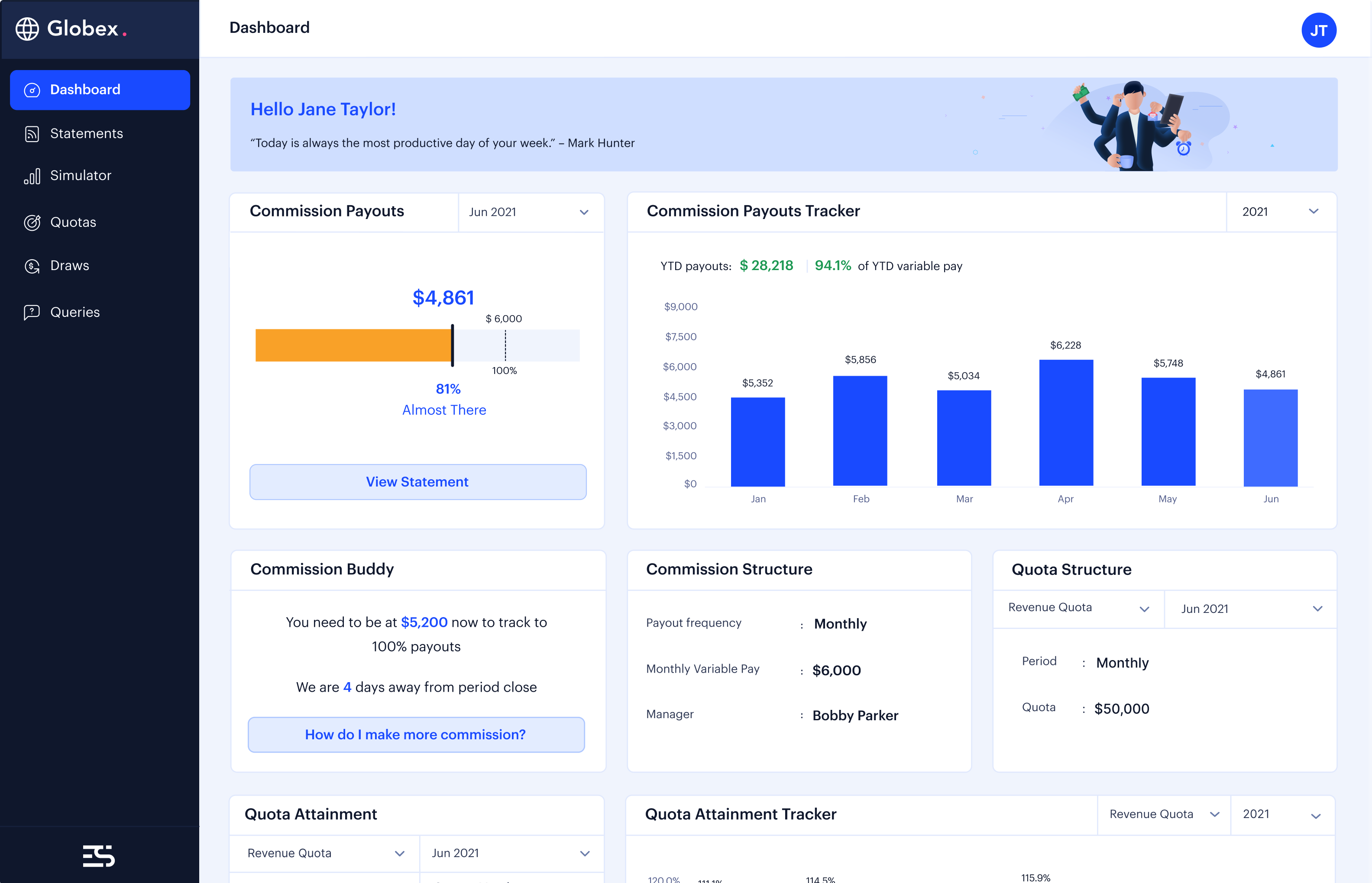
Everstage is an incentive compensation management platform that emphasizes rep transparency (statements/estimates), dispute handling, and admin-friendly comp modeling, with workflow controls and enterprise-grade integration support surfaced across its G2 feature set.
Best for: Mid-market to enterprise teams that need rep self-serve visibility plus approvals, splits/overrides, and strong integrations (CRM, financial systems, HRIS) for scaling compensation operations. For the ROI and support comparison, see Everstage vs Visdum.
Pros
- Rep visibility features like commission estimator, compensation statements, plan documents/agreements, and individual/team performance reports.
- Controls for complex orgs: quota management, sales hierarchy management, commission splits/overrides, and workflow/approvals.
- Admin and operations depth: adjustments/dispute resolution, comp modeling (ease of admin + design flexibility), statement calculation/distribution, reports/dashboards.
- Platform readiness: CRM integration, financial integration, HCM/HRIS integration, APIs, internationalization, scalability, and performance/reliability.
Cons
- With broad modules (rep portal + management portal + admin + multiple integrations), implementation and ongoing administration can be heavier than simpler SMB tools.
6) QuotaPath
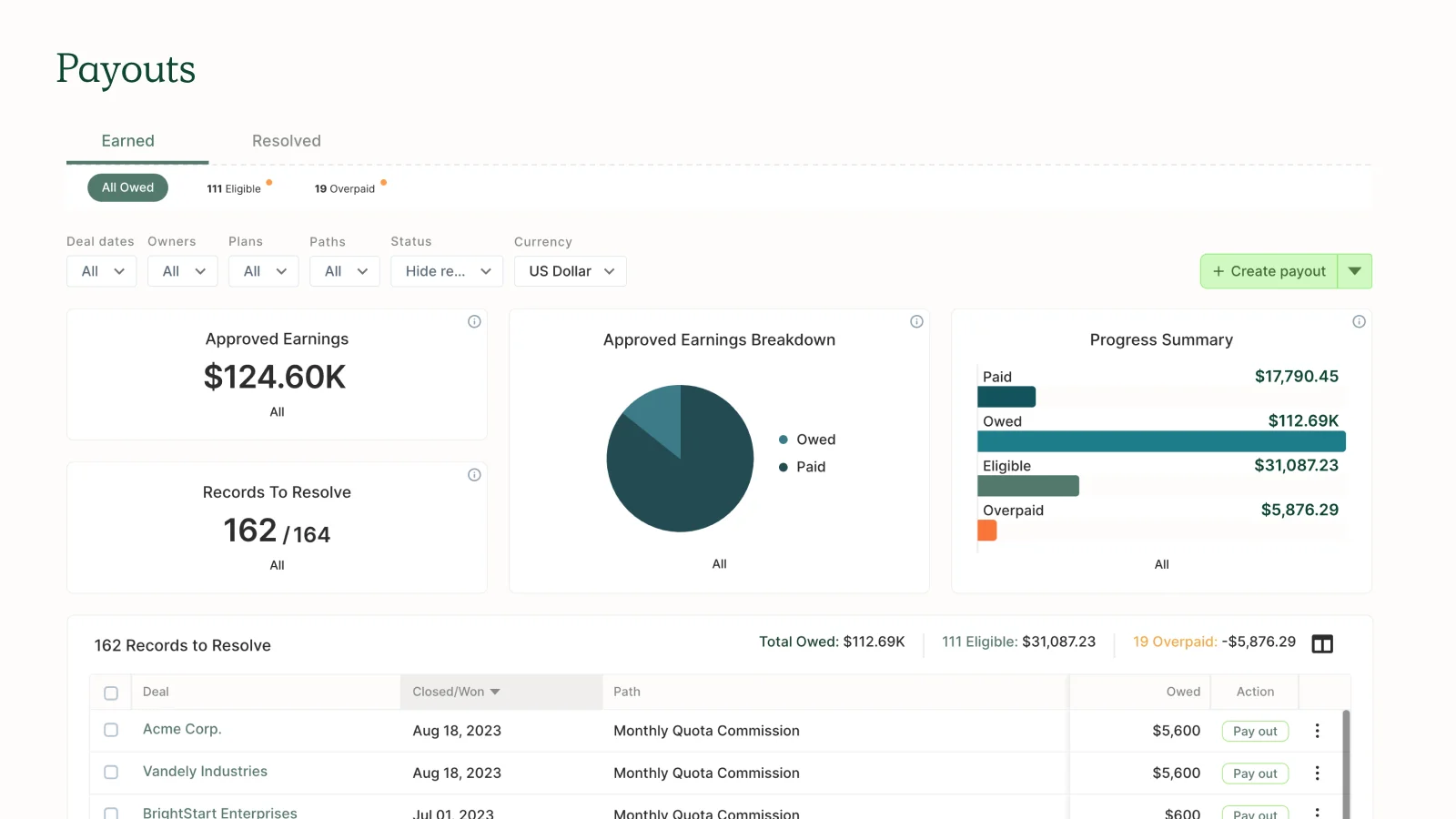
QuotaPath focuses on making commissions and quotas easier to run day-to-day, with rep-facing tools (estimator, statements, dispute management), manager reporting, and admin-friendly modeling called out in its G2 feature set.
Best for: SMB to mid-market sales orgs that want a clean, user-friendly commissions + quota workflow with solid CRM integration and rep transparency. Where that simplicity starts to bind is covered in QuotaPath vs Visdum.
Pros
- Rep portal basics: commission estimator, compensation statements, dispute management, and individual/team performance reports.
- Manager tools: sales org performance reporting, rep monitoring, quota assignments/management, and commission splits/overrides.
- Admin usability: adjustments/dispute resolution, comp modeling ease of admin and design flexibility, comp statement calculation/distribution, and reports/dashboards.
- Platform capabilities: CRM integration, APIs, internationalization, and performance/reliability.
Cons
- Some “enterprise depth” items (e.g., highly complex global rollouts, very heavy governance) may require validation in a POC, since the G2 feature set reads strongest around commissions/quota workflows rather than full enterprise compensation governance.
On G2's Summer 2026 Mid-Market indexes, Visdum sits #1 for both Customer Relationship and Usability, with Qobra close behind on each. Qobra leads the Mid-Market Results and Implementation indexes.
| Product | Mid-Market Relationship | Mid-Market Usability |
|---|---|---|
| Visdum | #1 (9.81) | #1 (9.47) |
| Qobra | #2 (9.57) | #2 (9.46) |
| CaptivateIQ | #4 (9.40) | #3 (9.22) |
| Xactly Incent | #12 (8.31) | #15 (8.11) |
| Everstage | #3 (9.42) | #4 (9.09) |
| QuotaPath | #8 (8.92) | #7 (8.73) |
Source: Visdum's G2 profile (G2, Summer 2026).
How to choose after you shortlist
Before the numbered checklist below, it helps to see the process run for real. Hear how Firebolt's Head of Growth evaluated Visdum against Everstage, QuotaPath, and Qobra before deciding:
Once you have shortlisted two or three tools, use this process to validate plan-complexity handling, data readiness, admin effort, and rep transparency before you commit.
- Assess needs: plan complexity, dispute volume, and where visibility breaks today.
- Validate integrations (CRM, billing, ERP, HRIS) and the quality of your underlying data.
- Test the must-haves: rules, crediting, reporting, and audit logs against a real plan.
- Review implementation and support: timeline, training, and ongoing help.
- Run a demo or POC using your actual plan scenarios, not a generic template.
- Analyze total cost of ownership, including implementation and ops time, not just license.
- Get sales-team feedback, because rep trust is the real adoption lever.

FAQ
What is incentive compensation management (ICM)?
Incentive compensation management (ICM) is the process of designing, administering, and analyzing compensation plans that can effectively motivate and reward employees for achieving specific goals or objectives. ICM handles incentives, bonuses, commission tiers, etc. to ensure high sales morale and productivity.
What is incentive compensation management software?
Incentive compensation management software or ICM tool is software that automates the process of managing employee incentive compensation plans and helps execute the incentive compensation strategy. It enables plan design, implementation, and tracking of complex compensation structures, calculates payouts based on performance data, and provides transparency to sales reps.
What are the three types of incentive systems for employee compensation?
Employee incentives come in three forms: individual rewards based on personal performance like sales targets and bonuses; team incentives that promote collaboration through group performance metrics; and organizational incentives like profit-sharing and stock options that reward company-wide achievement and align everyone's goals.
What is the role of an incentive compensation manager?
An incentive compensation manager designs and oversees organizational bonus and incentive plans, aligning them with company goals and market standards. They develop performance metrics, manage plan administration, collaborate with stakeholders, monitor effectiveness, ensure compliance, and provide support to participants.
How does ICM work?
An ICM fetches sales deal data from the CRM and calculates commissions and incentives based on who handles the deal. The rules and criteria can be fed to the ICM tool and it generates commission statements automatically. It removes the hassle of creating formulas and managing incentives on spreadsheets.
What is the difference between incentive compensation and commission?
While commissions are a fixed percentage of the sale value awarded to salespersons as their 'share' in the sale, incentives can be rewarded for any purpose the company wants- performance-linked incentives, seasonal incentives, non-monetary incentives, etc. are some of the incentives companies usually offer to boost productivity and motivation in employees.